

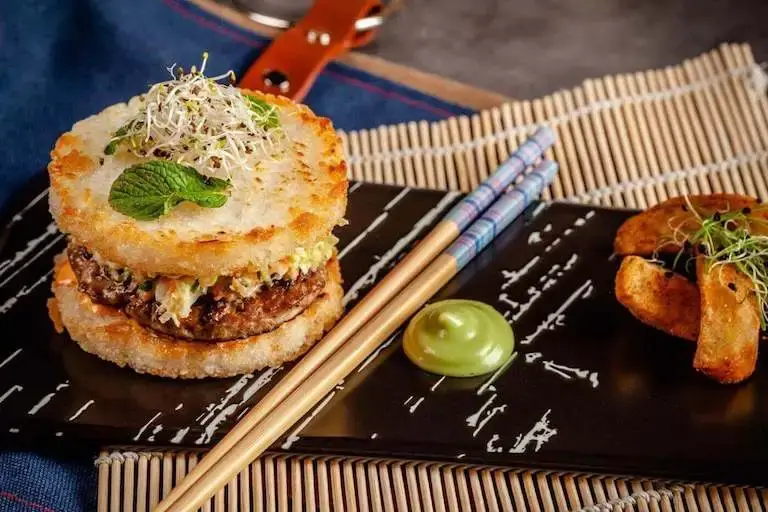
The landscape of eating in the US continually evolves, bringing forth exciting culinary experiments that blend various traditions. At its core, American fusion cuisine represents this vibrant blending, moving beyond simple mixing to create genuinely new flavor profiles and dining experiences. It’s a testament to America’s immigrant history and its willingness to embrace and integrate diverse cultural influences into its food identity. From street food stalls to upscale eateries, chefs are constantly pushing boundaries, interpreting traditional recipes through a contemporary lens and incorporating ingredients from around the globe, often resulting in unexpected yet harmonious dishes. This culinary movement isn’t just about combining elements; it’s about crafting a narrative on a plate, reflecting the diverse tapestry of the nation itself.
Overview:
- American fusion cuisine is a dynamic culinary movement in the US that merges classic American dishes with global flavors and cooking techniques.
- It reflects America’s multicultural heritage, integrating diverse culinary traditions from around the world.
- Regional specialties within the US often serve as a base, with influences from Latin America, Asia, and Europe creating unique localized fusion dishes.
- Modern chefs are experimenting with innovative techniques and less common ingredients to create surprising and harmonious flavor combinations.
- Current dietary preferences, such as plant-based or gluten-free options, are increasingly influencing the development and availability of new fusion dishes.
- The popularity of American fusion cuisine stems from its ability to offer novel taste experiences while often maintaining a sense of familiarity, appealing to a broad audience.
Regional Twists in American Fusion Cuisine
The foundation of American cuisine is itself a melting pot, and its regional variations offer a fertile ground for fusion. Think about the South, where soulful comfort food meets vibrant Caribbean or West African spices to form intriguing new dishes like jerk-spiced collard greens or plantain-crusted fried chicken. In California, particularly with its proximity to Asia and Latin America, the blending of flavors has become a hallmark. Here, chefs might combine fresh Pacific seafood with Korean gochujang or Mexican mole, creating a distinctive West Coast American fusion cuisine style that is both light and intensely flavorful. The Southwest sees its indigenous and Mexican influences intertwine with European techniques, giving rise to unique interpretations of tacos, enchiladas, and chili that incorporate ingredients like duck confit or artisanal cheeses. Each region contributes its own local produce, historical culinary practices, and immigrant communities, making for a truly diverse and ever-changing fusion scene across the US.
Global Flavors Redefining American Fusion Cuisine
The beauty of modern American fusion cuisine lies in its daring embrace of international flavors, moving beyond the well-trodden paths of Chinese-American or Italian-American fare. Today, chefs are drawing inspiration from less common culinary traditions to create truly innovative dishes. Peruvian influences, with their vibrant Aji Amarillo peppers and cebiche techniques, are finding their way into American seafood preparations, adding a zesty, bright dimension. Ethiopian spices like berbere are appearing in marinades for grilled meats or stews, introducing a complex warmth to otherwise familiar proteins. Korean flavors, especially fermented elements like kimchi and gochujang, have seen a massive surge, appearing in everything from burgers and hot dogs to pasta dishes, offering a pungent, spicy, and umami-rich counterpoint. This willingness to explore and integrate a broader spectrum of global ingredients signifies a more sophisticated and adventurous phase for American fusion cuisine, constantly surprising diners with new and exciting taste combinations.
Innovative Techniques and Ingredients in American Fusion Cuisine
The evolution of American fusion cuisine isn’t solely about blending cultures; it’s also about applying modern culinary techniques and sourcing unique ingredients. Chefs are utilizing sous-vide cooking for perfectly tender proteins that are then finished with an Asian glaze or a Latin American spice rub. Fermentation, once a niche practice, is now mainstream, with kitchens creating their own kimchis, hot sauces, and preserves that add layers of acidity and funk to dishes. Molecular gastronomy, though sometimes subtle, plays a role in creating unexpected textures or presentations, such as foams, gels, or spheres that burst with flavor. Furthermore, chefs are going beyond traditional meats and vegetables, incorporating ancient grains like farro or freekeh into sides, or using exotic fruits like lychee or dragon fruit in savory applications, not just desserts. This focus on both method and material ensures that American fusion cuisine remains at the forefront of culinary innovation, offering diners experiences that are both delicious and thought-provoking.
Adapting American Fusion Cuisine to Dietary Trends
As dietary awareness grows, American fusion cuisine has shown remarkable adaptability, incorporating health-conscious and plant-based trends into its repertoire. The demand for gluten-free options, for instance, has spurred chefs to experiment with alternative flours for breading or noodles, ensuring that the essence of a dish remains while meeting dietary needs. Plant-based dining has particularly flourished within fusion concepts. Chefs are crafting “meatless” versions of classic American comfort foods by infusing plant-based proteins with globally inspired marinades and seasonings. Think of jackfruit “carnitas” tacos or mushroom “bulgogi” bowls that capture the flavor and texture of their meat counterparts, but with a plant-forward approach. These dishes are not just replacements; they are creative culinary expressions that stand on their own merit, often leveraging the natural umami of vegetables, legumes, and spices. This responsiveness to changing consumer preferences ensures that American fusion cuisine continues to be relevant and accessible to an ever-wider audience, proving that exciting food can also be inclusive.
About the Author


